Sustainable tourism and regenerative tourism

Scroll down for posts that have been tagged with “sus­tain­able tour­ism and regen­er­at­ive tourism”.

Sus­tain­able tour­ism “takes full account of its cur­rent and future eco­nom­ic, social and envir­on­ment­al impacts, address­ing the needs of vis­it­ors, the industry, the envir­on­ment and host com­munit­ies”, accord­ing to the United Nations World Tour­ism Organ­iz­a­tion (UNWTO)Regen­er­at­ive tour­ism chal­lenges and/or extends the concept of sus­tain­able tourism.

The con­cepts of sus­tain­able tour­ism and regen­er­at­ive tour­ism have emerged as a response to the neg­at­ive impacts that tour­ism can have on the envir­on­ment, eco­nomy, and society.

The 1987 Report of the World Com­mis­sion on Envir­on­ment and Devel­op­ment, also known as the Brundtland Report, defined sus­tain­able devel­op­ment as “devel­op­ment that meets the needs of the present without com­prom­ising the abil­ity of future gen­er­a­tions to meet their own needs.”

This idea was later applied to tour­ism. The concept of sus­tain­able tour­ism was born to ensure that tour­ism activ­it­ies are car­ried out in a way that does not deplete nat­ur­al resources or harm loc­al communities.

Regen­er­at­ive tour­ism is a more recent devel­op­ment. It builds upon the prin­ciples of sus­tain­able tour­ism, but goes fur­ther by striv­ing to cre­ate pos­it­ive impact on the envir­on­ment, eco­nomy, and society.

Accord­ing to the book Regen­er­at­ive Tour­ism: Prin­ciples, prac­tices and implic­a­tions by Paul Peeters and Peter Neuwirth, the term ‘regen­er­at­ive tour­ism’ was first intro­duced in 2012. The authors define regen­er­at­ive tour­ism as a “hol­ist­ic approach to tour­ism devel­op­ment that seeks to cre­ate a pos­it­ive impact on the envir­on­ment, eco­nomy and soci­ety, and to regen­er­ate the des­tin­a­tions in which it operates”.

The United Nations World Tour­ism Organ­iz­a­tion (UNWTO) has played a key role in pro­mot­ing sus­tain­able tour­ism through the devel­op­ment of guidelines, policies, and best prac­tices, such as the UNWTO Glob­al Code of Eth­ics for Tour­ism (1999) and the UN Sus­tain­able Devel­op­ment Goals (2015)

It’s import­ant to note that these ref­er­ences are not exhaust­ive, as there are many oth­er sources of inform­a­tion on sus­tain­able tour­ism and regen­er­at­ive tour­ism, such as on The “Good Tour­ism” Blog.

At the end of a con­ver­sa­tion in August 2020 about the dif­fer­ences between sus­tain­able tour­ism and regen­er­at­ive tour­ism ― when asked to give the lift (elev­at­or) defin­i­tion of regen­er­at­ive tour­ism ― “Good Tour­ism” Friend Susanne Beck­on said: “Give back more than you take.”

At an eco­tour­ism con­fer­ence in Decem­ber 2020, Anna Pol­lock said there is a jour­ney we must all embark upon if the travel & tour­ism industry is to move from degen­er­at­ive busi­ness-as-usu­al to regen­er­at­ive flour­ish­ing and thriv­ing. The route, she reck­ons, is via notions of “green”, “sus­tain­able”, and “res­tor­at­ive” in that order.

Since August 2020 “GT” has used the same tag for both sus­tain­able tour­ism and regen­er­at­ive tour­ism. Tags are inform­al. The “Good Tour­ism” Blog tries not to get bogged down with ter­min­o­logy and defin­i­tions so you may dis­agree with tags applied (or not applied) to a post. Feel free to com­ment on the post. “GT” encour­ages good-faith debate and discussion.

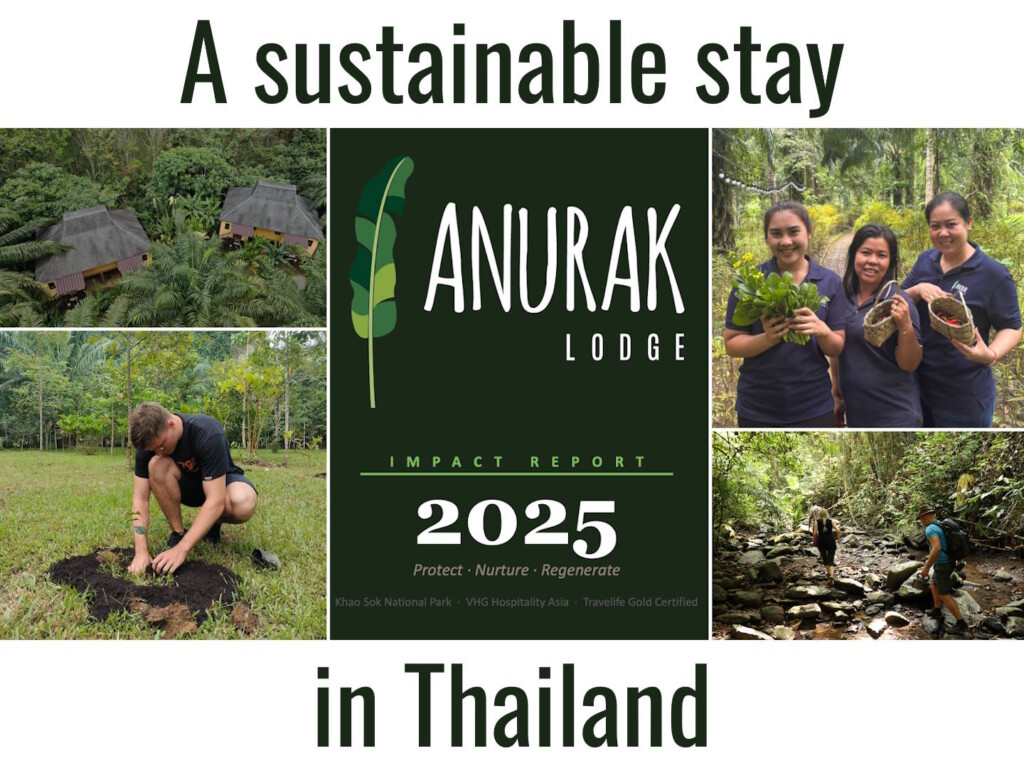
A sustainable stay: Thailand’s Anurak Lodge embraces ‘4Cs’ in regenerative quest


Sustainable stay: Thailand's Anurak Lodge embraces ‘4Cs’ in the Long Run's regenerative travel quest

Anurak Com­munity Lodge, a 19-key nature-based eco­lodge loc­ated on the edge of Khao Sok Nation­al Park in south­ern Thai­l­and is guided by the ‘4Cs’ of con­ser­va­tion, com­munity, cul­ture, and com­merce; a frame­work developed by The Long Run.

Read More A sustainable stay: Thailand’s Anurak Lodge embraces ‘4Cs’ in regenerative quest

The flaw in sustainability: Why responsible tourism avoids hard questions

February 8, 2026

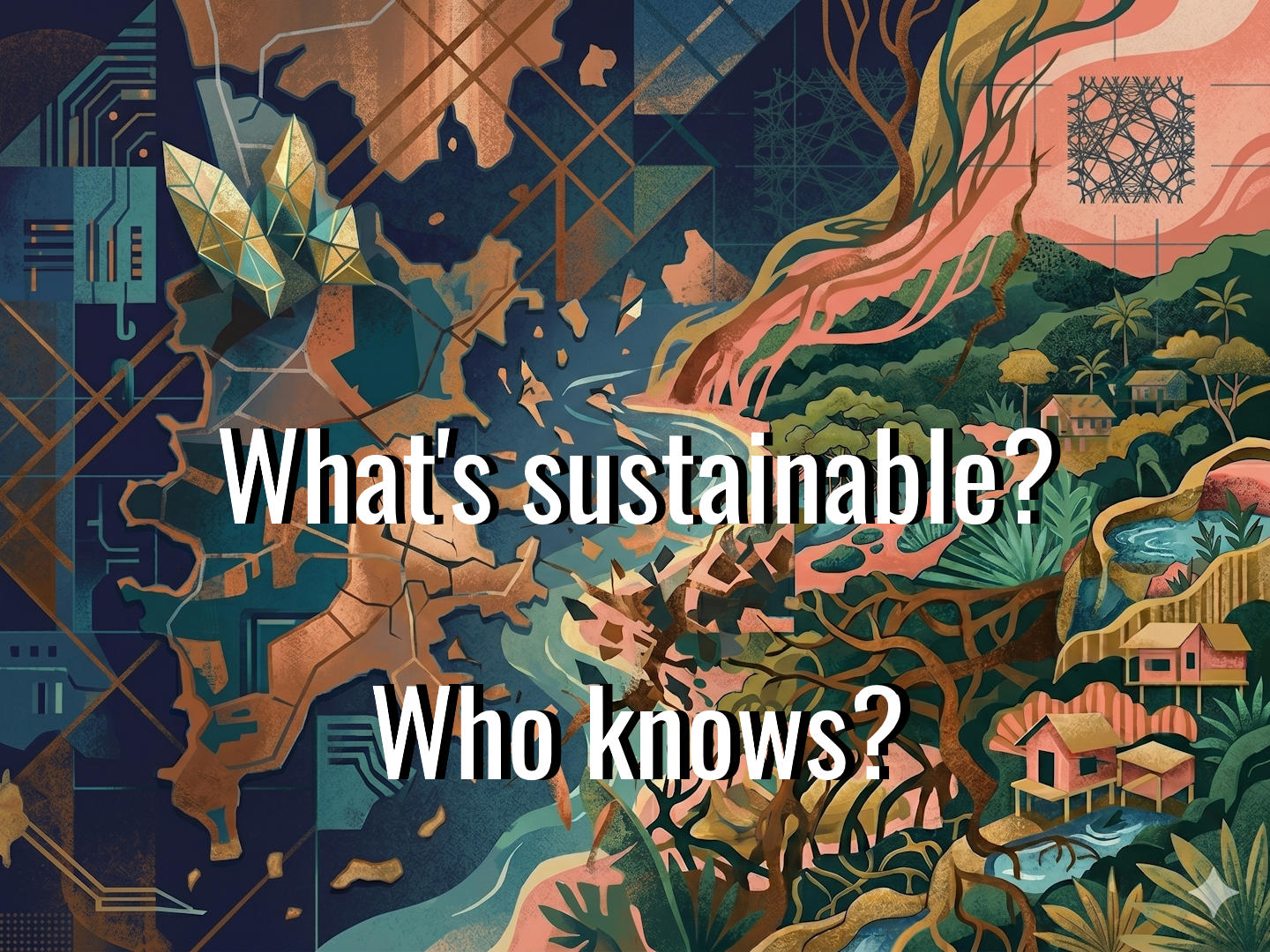
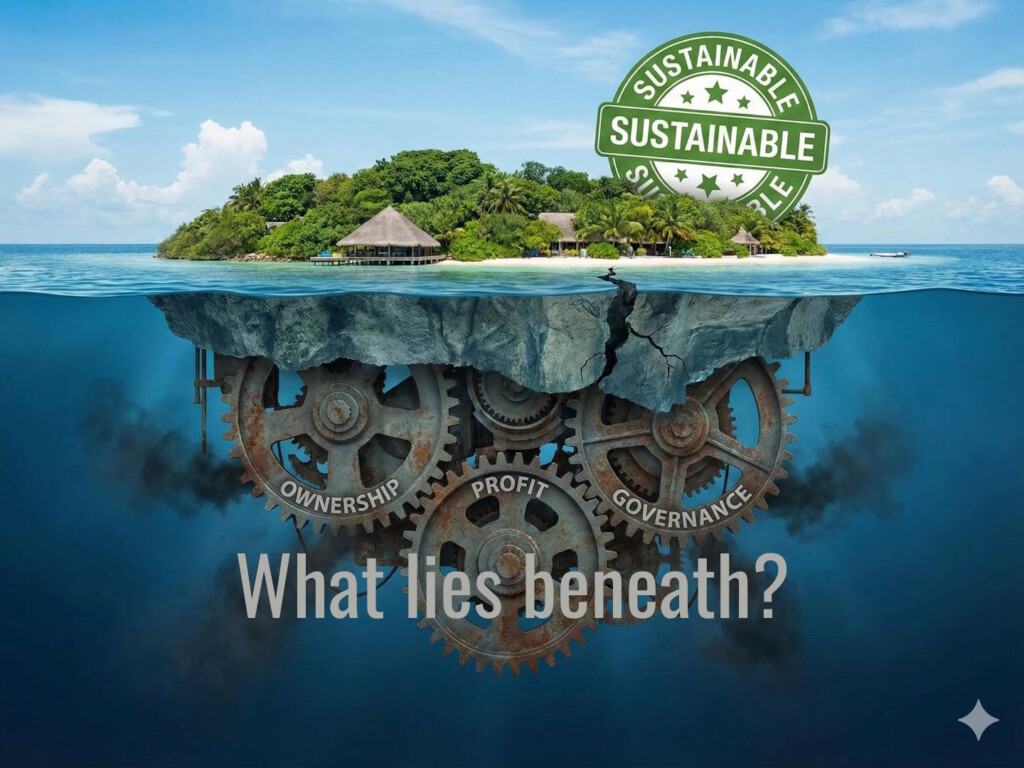
The flaw in sustainability and why responsible tourism avoids the hard questions. A Gemini-generated image.

Ewan Cluck­ie argues that travel & tourism’s sus­tain­ab­il­ity claims have cre­ated a cred­ib­il­ity crisis, and that it is time to ask hard ques­tions about own­er­ship, gov­ernance, and incentives.

“The travel industry talks a lot about sus­tain­ab­il­ity […] Yet trust in sus­tain­ab­il­ity claims is declin­ing, and scru­tiny from reg­u­lat­ors, con­sumers, and part­ners is increasing.”

Read More The flaw in sustainability: Why responsible tourism avoids hard questions

From conservation to regeneration: APE Malaysia’s decade of purpose-driven tourism


This APE Malaysia field team includes residents of the local Sukau village.

At APE Malay­sia, our work sits at the inter­sec­tion of wild­life con­ser­va­tion, eco­sys­tem res­tor­a­tion, and respons­ible tourism.

Our diverse pro­grammes are tightly con­nec­ted by one guid­ing prin­ciple: tour­ism must con­trib­ute to eco­lo­gic­al recov­ery rather than accel­er­ate envir­on­ment­al loss.

Read More From conservation to regeneration: APE Malaysia’s decade of purpose-driven tourism

Khiri Travel achieves GSTC certification across eight Asian destinations


Khiri Travel achieves GSTC certification across eight Asian destinations

Khiri Travel, the South­east Asia-based des­tin­a­tion man­age­ment com­pany, has earned cer­ti­fic­a­tion as a sus­tain­able tour oper­at­or by the Glob­al Sus­tain­able Tour­ism Coun­cil (GSTC).

Eight coun­tries
Rig­or­ous audit process
Staff cer­ti­fic­a­tion and awards
About Khiri Travel

Read More Khiri Travel achieves GSTC certification across eight Asian destinations

From reef rubble to recovery: How Livingseas Asia is leading tourism in Bali


From reef rubble to recovery: How Livingseas Asia is leading tourism in Bali

Tour­ism built Bali’s repu­ta­tion but nearly broke its reefs. Now, the same industry is becom­ing a force for recovery.

Led by Liv­ing­seas Asia, a pion­eer­ing dive oper­at­or in Padang­bai, a grow­ing num­ber of vis­it­ors are return­ing not to take, but to give back. They are reviv­ing cor­al eco­sys­tems one dive at a time.

Read More From reef rubble to recovery: How Livingseas Asia is leading tourism in Bali

Cardamom Tented Camp among the world’s most responsible tourism projects: ICRT


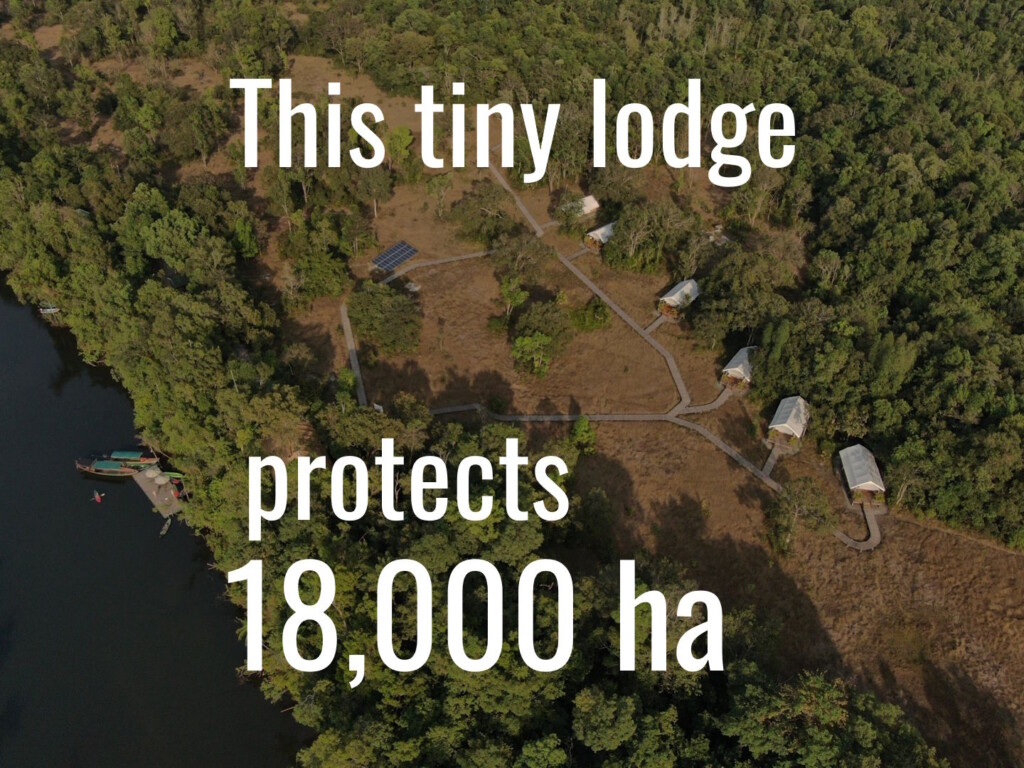
Cardamom Tented Camp in Cambodia is among the world’s most responsible tourism projects according to the International Centre for Responsible Tourism (ICRT)

Car­damom Ten­ted Camp in Cam­bod­ia is among the world’s most respons­ible tour­ism pro­jects accord­ing to the Inter­na­tion­al Centre for Respons­ible Tourism. 

The eco­lodge was acclaimed among 30 final­ists at ICRT’s 2025 Glob­al Respons­ible Tour­ism Awards in Lon­don, Novem­ber 3.

Read More Cardamom Tented Camp among the world’s most responsible tourism projects: ICRT