
How can a circular tourism economy help repurpose heritage buildings?


Abandoned buildings can be an eyesore, a blight on a land- or cityscape, and even an embarrassment to many locals. Yet they are all a part of a place’s history and heritage. While very few would argue that all are worth saving, many heritage buildings do indeed deserve a new lease of life and may even help breathe new life into a place. In his second “Good Tourism” Insight, sustainable tourism consultant Angelo Sciacca applies his passion for circular economics and participative planning to the problem.
Heritage buildings play a large role in defining communities and creating a sense of belonging. In this brief article, I discuss some of the issues that challenge the preservation of heritage buildings; their abandonment, degradation, substitution, or re-use for non-beneficial purposes. I argue that by applying circular economic principles in tourism destination planning, new functions can be prioritised for these heritage buildings that would not only finance their — often expensive — maintenance but also deliver sustainable sociocultural, economic, and environmental benefits for communities.
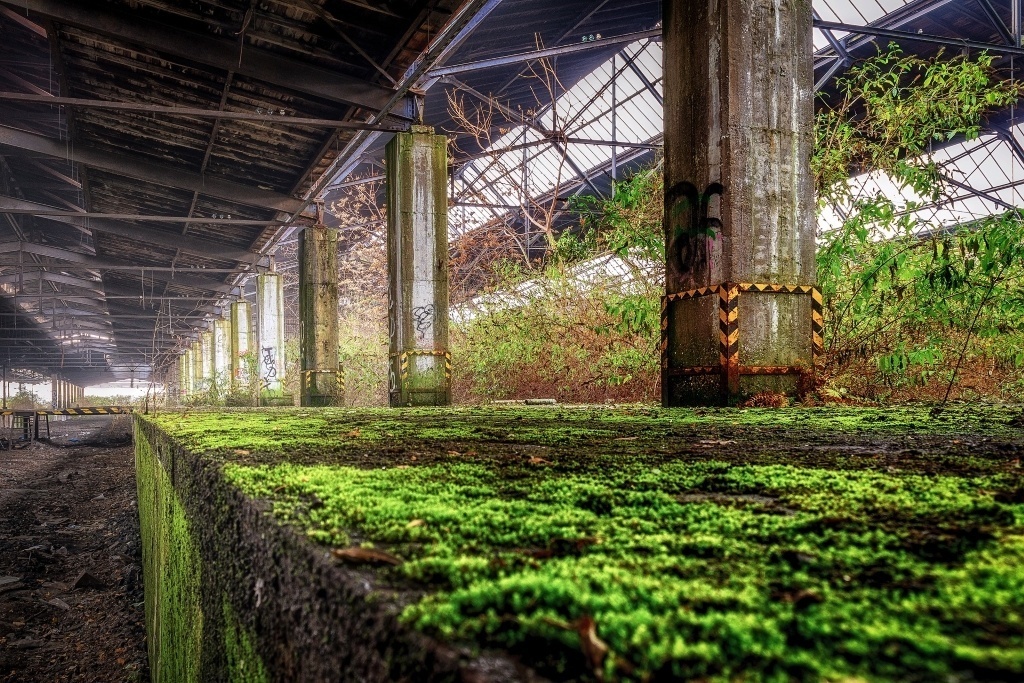
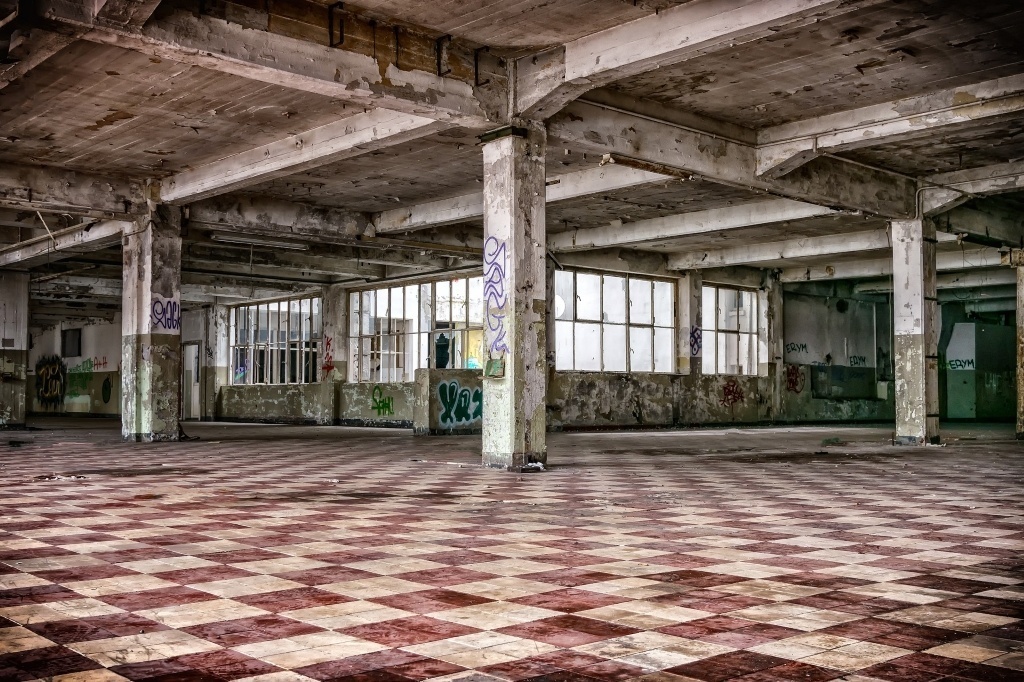
The degradation of heritage buildings is very visible. After heritage buildings have lost their original functions, they are often abandoned and left to crumble. This has significant impacts not only on the visual and historical landscape of a place but also on its sociocultural dimension. It is well understood that heritage buildings retain historical significance for local communities. So when they are left abandoned, might this be a sign of sociocultural decline?
Also see Kevin Phun’s “GT” Insight
“How can tourism safeguard intangible cultural heritage?”
When heritage buildings are repurposed, they are often given roles that ensure the long-lasting integrity of their architecture, which is great, but rarely do they preserve sociocultural functions. This is an opportunity lost, which I would argue is due to a lack of community consultation or participative approaches to decision-making.
Below I discuss this problem in the context of tourism destinations. Where circular economic principles are adopted in destination planning, I believe the tourism sector is well placed to help find participative ways to repurpose heritage buildings so that they are socioculturally beneficial to both local residents and visitors. Furthermore, the conversions are likely to generate enough revenue and/or political will for their maintenance, and avoid the exploitation of resources (and noise and disruption) involved in demolition and the construction of new facilities.
The circular tourism economy is a viable solution
The circular economy is often discussed from a resource flows perspective, such as water, energy, food, and so on. The point of a circular economy is to keep valuable resources in use and in circulation for as long as possible to maximise their economic utility and to minimise waste and therefore their environmental impact.
Also see Angelo Sciacca’s first “GT” Insight
“From linear to circular: How to build resilience in small island destinations”
The concept of the circular economy can also be applied to heritage buildings. If considered a resource, like water or energy, heritage can be valued, valorised, re-used, and repurposed; and its sociocultural utility maximised at different levels of society.
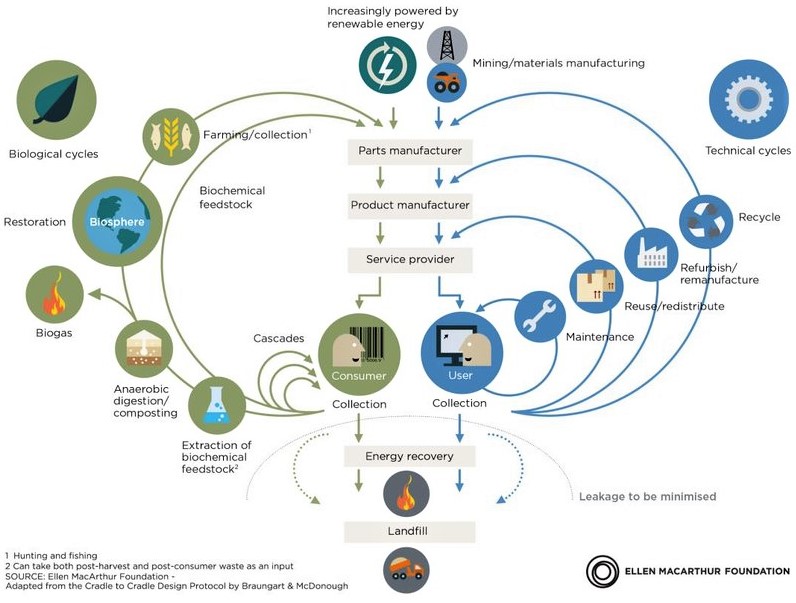
The principles of the circular economy emerge from the need to decouple economic growth from the exploitation of resources by finding solutions that keep resources flowing within the economic system. The Butterfly Diagram, below, developed by the Ellen MacArthur Foundation, shows how the different circular strategies can be applied to promote the re-circulation of end-of-use resources in a society. The adaption of these principles in the built environment is — of course — not new. Yet, as mentioned above, it is paramount that these new functions create value across all pillars of sustainability — economic, environmental, and sociocultural — an approach that is still not widespread.
The circular economic framework can be applied to tourism planning in many ways, including when considering how to refurbish and reuse abandoned buildings. Tourism planners are more likely than most to see and appreciate the potential advantages to a destination of the sociocultural and economic benefits that could arise from an appropriately repurposed heritage building. Through tourism, sustainable solutions for abandoned buildings might include, turning them into museums, galleries, community heritage centres, theatres, and many other spaces that can bring locals and visitors together.
There are tourism-related functions that are not suitable, however. For example, destinations should avoid turning heritage buildings into hotels because, while hotels do offer jobs, they fail to offer much sociocultural benefit to residents. Indeed, the tendency to convert heritage buildings into hotels often creates severe detachment between local communities and the heritage inherent in those buildings. This is because hotels are, of course, private; they are inaccessible to all but staff and paying guests.
Also see Phoebe Everingham’s “GT” Insight
“Travel & tourism’s ‘critical’ rethink and its imperative shift to circular economics”
As a circular economy assumes benefits to all stakeholders, repurposing solutions — especially through tourism — should be carefully selected. This is important to ensure that there isn’t a detachment between the local communities and their heritage. It is, therefore, of utmost importance to ensure that solutions are beneficial to and agreed upon by local community stakeholders.
Participative tourism planning & governance essential
As discussed, by integrating circular economic principles in tourism planning, heritage buildings can find new functions that are beneficial to the sociocultural life of communities, generate economic benefits such as jobs and the resources for maintenance, and avoid environmental harm. To achieve a balance between community needs and wishes, tourism demand, and the feasibility of proposed projects, it bears repeating, again, that it is essential to involve community stakeholders in decision-making.
Also see Tanner C Knorr’s “GT” Insight
“Tourism infrastructure, well-being, & how to ‘build back better’ for all”
Participative governance involves key stakeholders, including communities. It thus encourages the formation of partnerships and consensus building. While participation in decision-making is not alien to tourism, it is not as widespread as it should be. In a tourism planning scenario that seeks to valorise and retain heritage buildings through sustainable tourism-based solutions, communities should be consulted from the very beginning. This can ensure a sense of local belonging to these sites, avoid discontentment later on, and improve the long-term prospects for heritage site maintenance; especially where there is a lack of direct public funding for heritage preservation.
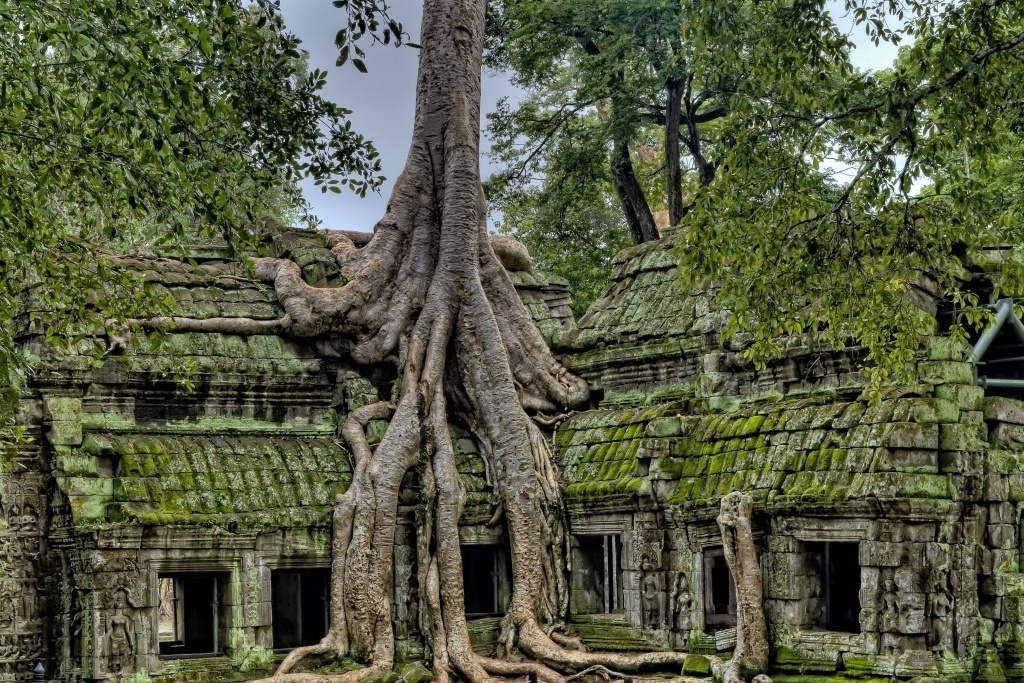
In this short article, I have briefly introduced a key challenge in our urban and historical landscapes: The abandonment of heritage buildings and the lack of sustainable strategies to convert them to some other purpose tends to have a widespread negative impact on society and the environment. Yet when heritage buildings are repurposed through highly privatised approaches, they can deliver little or no economic or sociocultural benefit for the local community.
I have argued that should circular economic principles be applied in tourism destination planning, abandoned heritage buildings will inevitably be viewed as a valuable untapped resource with the potential to add a lot to the sociocultural life and appeal of a destination. However, I have stressed that conversion solutions should be carefully selected in a participative manner — with community involvement — to ensure that the heritage resource remains resonant and accessible to all. Indeed, circular economy or not, participative governance is essential to ensuring that solutions are socially oriented rather than solely driven by economic motifs.
What do you think? Share a short anecdote or comment below. Or write a deeper “GT” Insight. The “Good Tourism” Blog welcomes diversity of opinion and perspective about travel & tourism because travel & tourism is everyone’s business.
Featured image (top of post): A home. Abandoned. By Tama66 (CC0) via Pixabay.
About the author

Angelo Sciacca is a PhD candidate at Edinburgh Napier University conducting his doctoral research in the Orkney Islands, Scotland. His work focuses on “the barriers and enablers to a circular economy faced by tourism businesses” and is particularly interested in how small island destinations’ “territorial features may influence a circular economy transition”. Angelo is also a sustainable tourism consultant “working at the crossroad of sustainability, tourism and community development”. Since 2017, he has regularly collaborated with NGOs working in Myanmar.